When it comes to commercial buildings, choosing the right roof material is critical. A top-quality commercial flat roof can provide excellent protection against the elements, enhance energy efficiency, and add to the overall aesthetics of your property. In this guide, we will explore the different types of commercial flat roofing systems, their benefits, and how to choose the best one for your building.
Understanding Commercial Flat Roof Materials
What is a Commercial Flat Roof?
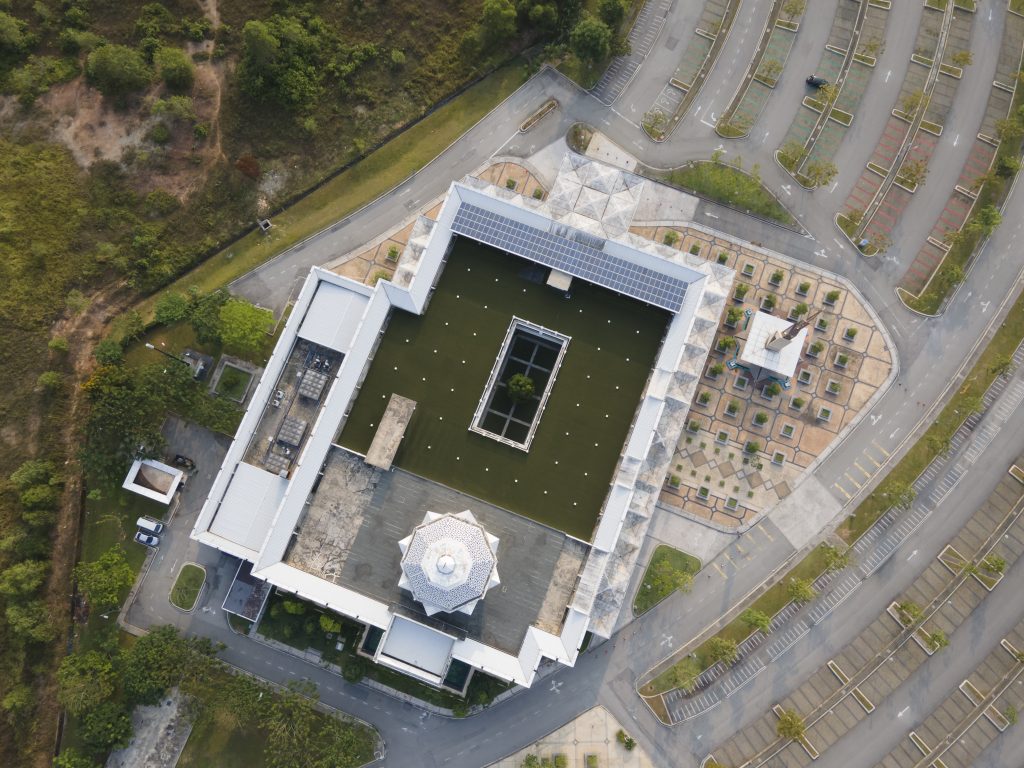
A commercial flat roof, as the name suggests, is a roof with little to no slope. These roofs are common in commercial and industrial buildings due to their cost-effectiveness, ease of installation, and versatility. Choosing the right roof material is crucial since it significantly impacts the roof’s durability, maintenance, insulation, and energy efficiency.
Key Factors to Consider When Choosing a Flat Roof Material
When deciding on a roof type for your building, consider factors like the size and use of the building, climate and weather resistance, energy efficiency, and roof repair needs. A professional roofing company can guide you to make an informed decision that meets your specific needs.
Types of Commercial Flat Roofing Systems
Single Ply Membrane Roofing Systems
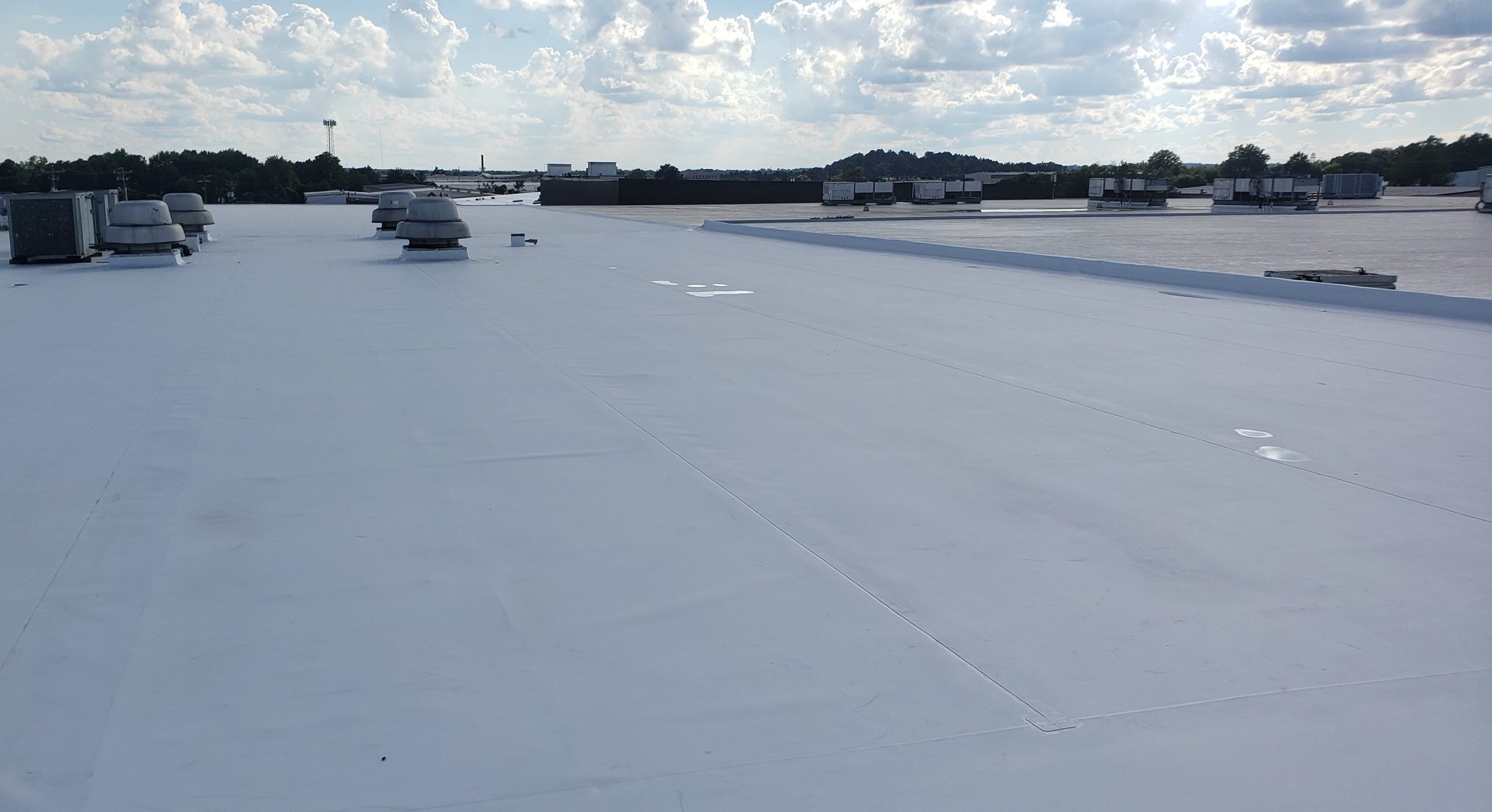
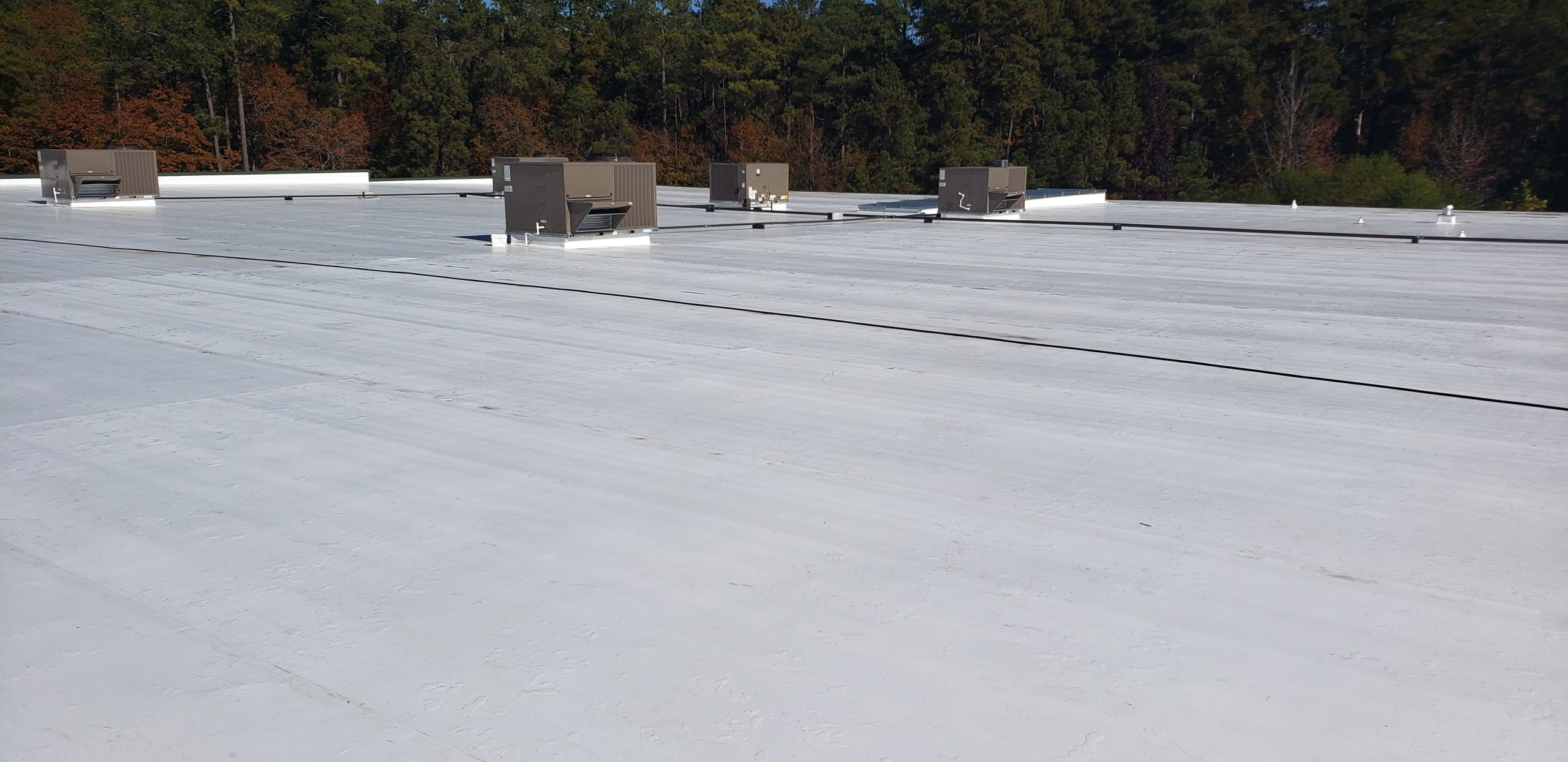
Single ply membrane roofs are popular for their durability, flexibility, and ease of installation. They include TPO Roof (Thermoplastic Polyolefin), PVC (Polyvinyl Chloride) Membrane, and EPDM (Ethylene Propylene Diene Monomer) Synthetic Rubber. These materials are resistant to foot traffic and have a lifespan of 20 to 30 years.
Modified Bitumen Roofing Systems
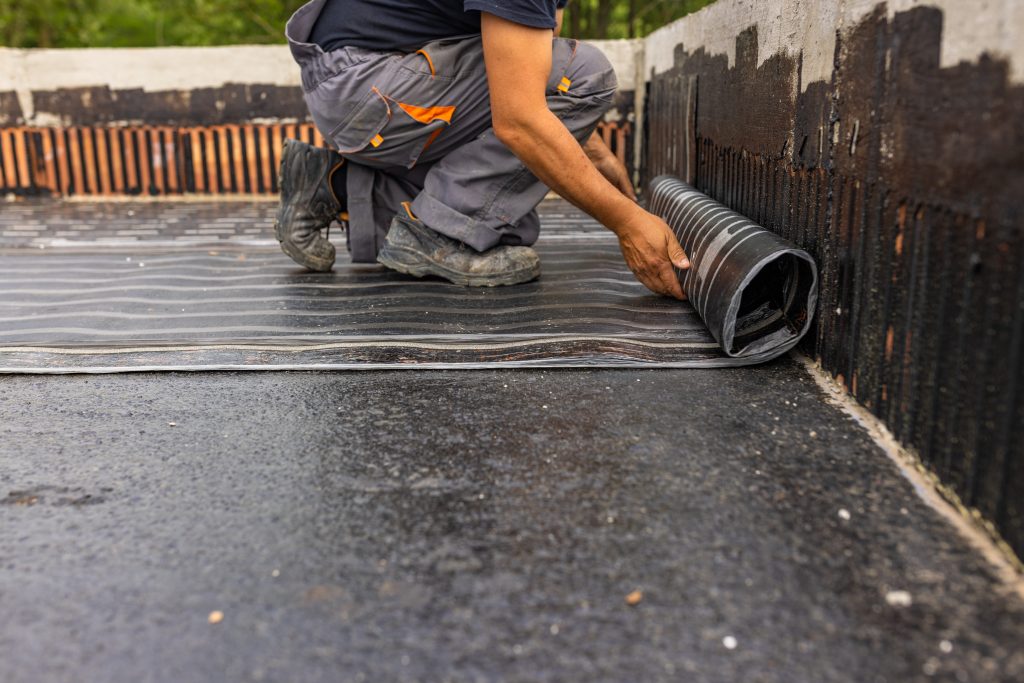
Modified bitumen roofing systems are a blend of traditional and modern roofing technologies. They are known for their durability, UV resistance, and lower maintenance needs. The installation method can be either hot (using hot asphalt) or cold (using adhesive), which significantly impacts the roof’s performance and lifespan.
Built-Up Roofing (BUR) or Tar and Gravel Roof
A built-up roofing system involves multiple layers of waterproof material and gravel. This type of roof offers excellent waterproofing, low maintenance, and durability. However, it requires professional installation and can be more expensive than single-ply or modified bitumen roofs.
Metal Roofs for Flat Commercial Buildings
Metal roofs, made from aluminum, steel, or copper, are another excellent option for commercial flat roofs. They offer high energy efficiency, reflectivity, and have a long lifespan. However, they can be more challenging to install and require professional handling.
Comparing Flat Roof Types by Key Features
Durability and Longevity
Roof types with 50-year lifespans, like metal roofs, are a great investment. Roofs that can withstand heavy foot traffic, such as single ply membranes, are ideal for buildings with rooftop HVAC systems or those requiring frequent roof access.
Energy Efficiency and Sustainability
Reflective surfaces, known as cool roofing options, can reduce energy costs by reflecting sunlight and heat away from the building. PVC and TPO roofs are known for their superior energy efficiency.
Cost and Installation
While initial costs may be a factor, consider the long-term value. Metal roofs, while more expensive upfront, can last up to 50 years with minimal maintenance.
Choosing the Right Flat Roof Material for Your Building
Matching Roof Types to Building Needs
Consider your building’s specific needs. If you own a commercial building with heavy use, a durable and low-maintenance roof like a single ply membrane might be the best fit.
Consultation with Commercial Roofing Experts
Professional evaluation is pivotal in making the right choice. Experts can inspect your property, consider all variables, and recommend the best roof type for your building.
External Resources and Industry Guidelines
Recommended External Links
For more information, visit the National Roofing Contractors Association (NRCA) for a comprehensive guide on Roof System Types, or Energy.gov for insights on Cool Roofs and Energy Efficiency. You can also check specific roofing manufacturer websites for product specifications and warranties.
In conclusion, there’s no one-size-fits-all answer when it comes to choosing the best material for a commercial flat roof. Your building’s specific needs, climate, and budget all play a significant role.
At Grier Roofing, we leverage our 31 years of experience in the industry to provide professional and customer-focused roofing services. Whether you need a roof for a residential home or a commercial building, we are committed to bringing the best value to our customers. Contact us today for a professional roof inspection and let us help you make the best decision for your property.