Frequently Asked Questions
What are the benefits of metal commercial roofing in Asheville?
The benefits of metal commercial roofing in Asheville include durability, energy efficiency, and low maintenance. Metal roofs can withstand harsh weather conditions, reduce energy costs, and offer a long lifespan, making them an excellent investment for commercial properties.
What is the importance of hiring a licensed commercial roofer in Asheville?
The importance of hiring a licensed commercial roofer in Asheville lies in ensuring quality workmanship, compliance with local regulations, and access to proper insurance. This guarantees that your roofing project is completed safely and effectively, protecting your investment.
What are the best commercial roofing materials in Asheville?
The best commercial roofing materials in Asheville include TPO, EPDM, and metal roofing. TPO is particularly popular due to its energy efficiency and durability, making it an excellent choice for local businesses.
How do I choose a commercial roofing company in Asheville?
Choosing a commercial roofing company in Asheville involves researching their experience, checking customer reviews, verifying licenses and insurance, and ensuring they specialize in TPO roofing services to meet your specific needs.
How to find a reliable commercial roofing contractor in Asheville?
Finding a reliable commercial roofing contractor in Asheville involves researching local companies, checking customer reviews, verifying licenses and insurance, and requesting detailed quotes. Look for contractors with experience in TPO roofing and strong community reputations.
What types of commercial roofing materials are available in Asheville?
The types of commercial roofing materials available in Asheville include TPO, EPDM, PVC, metal, and built-up roofing. Each material offers unique benefits tailored to various building needs and environmental considerations.
What is the best commercial roofing for my business?
The best commercial roofing for your business depends on factors such as climate, building structure, and budget. TPO roofing is a popular choice for its energy efficiency, durability, and cost-effectiveness, making it ideal for many commercial properties.
How to choose the right commercial roofing contractor in Asheville?
Choosing the right commercial roofing contractor in Asheville involves researching their experience, checking references, and ensuring they are licensed and insured. Additionally, consider their expertise in TPO roofing and request detailed estimates to compare services.
What is the average cost of commercial roofing in Asheville NC?
The average cost of commercial roofing in Asheville, NC, typically ranges from $3 to $7 per square foot, depending on materials and project specifics. For an accurate estimate, it's best to consult with a local roofing expert like Grier Roofing.
What are the benefits of metal commercial roofing in Asheville NC?
The benefits of metal commercial roofing in Asheville, NC, include durability, energy efficiency, low maintenance, and resistance to severe weather conditions. This makes it an ideal choice for businesses looking for long-lasting and cost-effective roofing solutions.
What services does a commercial roofing contractor in Asheville NC offer?
Commercial roofing contractors in Asheville, NC, offer a range of services including installation, repair, and maintenance of various roofing systems, with a focus on TPO roofing solutions tailored for commercial properties.
What are the advantages of TPO roofing?
The advantages of TPO roofing include its energy efficiency, cost-effectiveness, and durability. TPO roofs reflect sunlight, reducing cooling costs, and offer a strong, weather-resistant solution ideal for commercial buildings in Asheville.
How long does TPO roofing last?
The lifespan of TPO roofing typically ranges from 15 to 30 years, depending on factors such as installation quality, maintenance, and environmental conditions.
Is TPO roofing energy efficient?
TPO roofing is energy efficient due to its reflective surface, which helps reduce heat absorption and lower cooling costs. This makes it an excellent choice for commercial buildings seeking to improve energy savings and sustainability.
What maintenance is required for TPO roofs?
The maintenance required for TPO roofs includes regular inspections for damage, cleaning debris, and ensuring proper drainage. Additionally, it’s important to check for membrane integrity and to address any punctures or seams promptly to prolong the roof's lifespan.
Can TPO roofing be installed over existing roofs?
TPO roofing can indeed be installed over existing roofs, provided the underlying structure is in good condition. This method can save time and reduce costs while offering an effective roofing solution.
What colors are available for TPO roofing?
The available colors for TPO roofing include white, gray, and tan, allowing for aesthetic flexibility and energy efficiency in commercial roofing applications.
How does TPO compare to other roofing types?
TPO compares favorably to other roofing types due to its energy efficiency, cost-effectiveness, and ease of installation. It offers excellent durability and reflects sunlight, helping to reduce cooling costs, making it a popular choice for commercial roofing.
What is the installation process for TPO roofing?
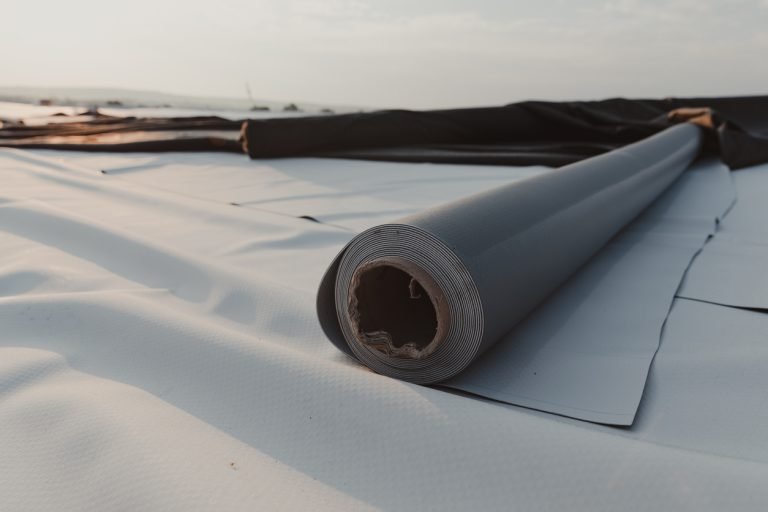
The installation process for TPO roofing involves several key steps: preparing the roof surface, installing insulation, adhering the TPO membrane, and sealing the seams. This ensures a durable and efficient roofing system suitable for commercial buildings.
Are there any warranties for TPO roofing?
Warranties for TPO roofing are available and typically cover material defects and workmanship for a specified period, often ranging from 10 to 30 years, depending on the manufacturer and installer.
What are common issues with TPO roofing?
Common issues with TPO roofing include seam separation, punctures, and UV degradation, which can lead to leaks and reduced energy efficiency. Regular maintenance is essential to address these problems and prolong the roof's lifespan.
How does TPO roofing handle extreme weather?
TPO roofing effectively handles extreme weather by offering superior resistance to UV rays, high winds, and temperature fluctuations. Its durable membrane remains flexible, ensuring protection against leaks and damage during harsh conditions.
What is the cost range for TPO roofing?
The cost range for TPO roofing typically varies between $3.50 to $7.50 per square foot, depending on factors like installation complexity and material quality.
Can TPO roofing be recycled?
TPO roofing can be recycled. Many manufacturers and recycling facilities accept TPO materials, allowing for the repurposing of old roofing into new products, which contributes to environmental sustainability.
What are the best practices for TPO installation?
The best practices for TPO installation include ensuring a clean, dry surface, using proper seam welding techniques, and following manufacturer guidelines for insulation and membrane placement to enhance durability and performance.
How does TPO roofing affect building insulation?
TPO roofing enhances building insulation by reflecting sunlight, which helps maintain consistent indoor temperatures. This energy-efficient material reduces heat absorption, ultimately leading to lower cooling costs and improved overall energy performance of the building.
What certifications should a TPO contractor have?
The certifications that a TPO contractor should have include manufacturer-specific certifications, such as those from GAF, Carlisle, or Firestone, as well as general roofing industry certifications like those from the National Roofing Contractors Association (NRCA).
What are the environmental benefits of TPO roofing?
The environmental benefits of TPO roofing include its energy efficiency, which reduces cooling costs, and its reflective properties that minimize heat absorption. Additionally, TPO is made from recyclable materials, contributing to reduced landfill waste.
How to inspect a TPO roof for damage?
Inspecting a TPO roof for damage involves checking for punctures, tears, or blisters, examining seams for separation, and ensuring proper drainage. Regular visual inspections and addressing any issues promptly can help maintain the roof's integrity.
What tools are needed for TPO roofing installation?
The tools needed for TPO roofing installation include a roofing nail gun, heat welding equipment, seam rollers, utility knives, and safety gear. These tools ensure a proper and secure installation of the TPO membrane.