What is the Meaning of Commercial Roofing?
When discussing roofing, one often imagines residential roofs. However, commercial roofing is a different domain with its own unique specifications, materials, and challenges. In this blog post, we will explore what commercial roofing entails, how it differs from residential roofing, and share practical advice for those considering a commercial roofing project.
Understanding Commercial Roofing
Definition of Commercial Roofing
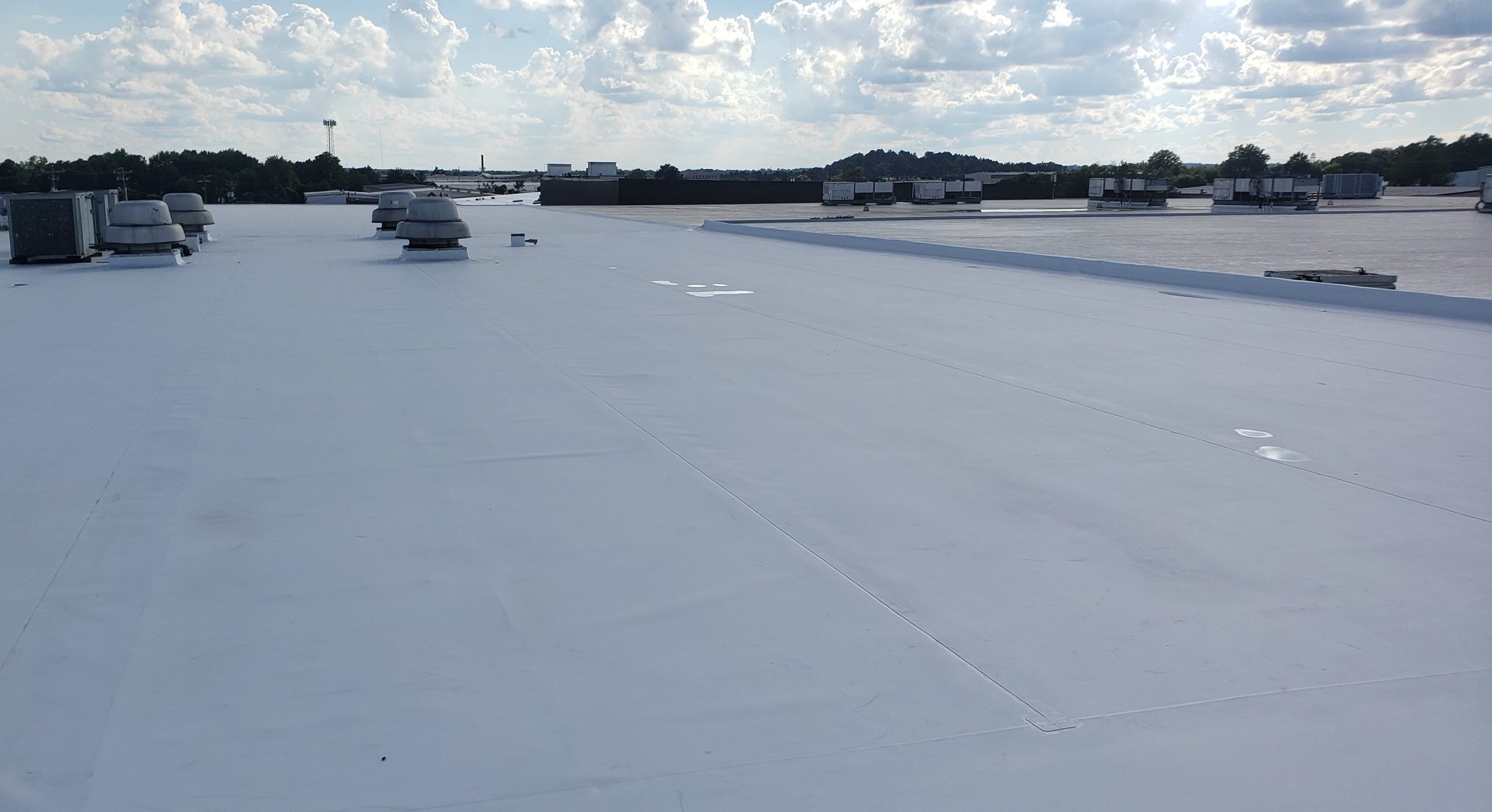
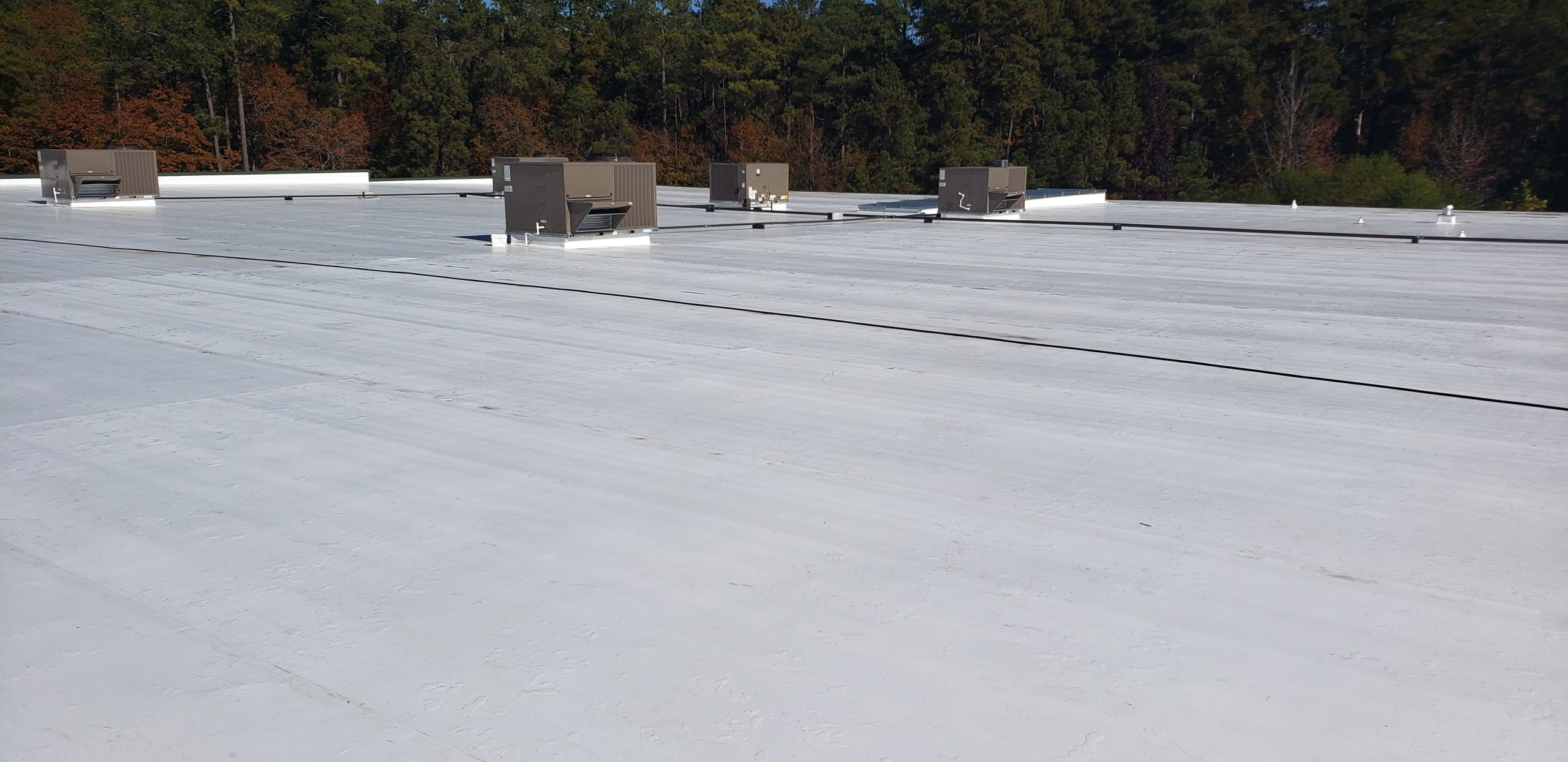
Commercial roofing refers to the materials, techniques, and processes used to install and maintain roofs on commercial buildings such as office buildings, warehouses, retail stores, and industrial facilities. Unlike residential roofs designed to shelter homes, commercial roofs must withstand higher levels of wear and tear due to their size and usage.
Types of Commercial Roofing Systems
There are several types of commercial roofing systems to consider:
- Built-Up Roofing (BUR): BUR is a traditional method involving several layers of tar and gravel. It offers excellent durability but can be heavy.
- Modified Bitumen (MB): MB includes layers of bitumen (asphalt) with added polymers, providing increased flexibility and resistance to temperature fluctuations.
- Single-Ply Membranes: This category includes TPO (thermoplastic polyolefin) and EPDM (ethylene propylene diene terpolymer), known for being lightweight and eco-friendly.
- Metal Roofing: Popular for its longevity and energy efficiency, often used in structures that require extremely durable and low-maintenance roofs.
- Green Roofs: These roofs are covered with vegetation and soil, improving insulation and reducing urban heat island effects.
Key Differences Between Commercial and Residential Roofing
Structural Requirements
Commercial roofs are typically flat or have a low slope, whereas residential roofs often have higher pitches. This difference requires distinct structural supports and drainage systems. For example, commercial roofs may need water-resistant membranes to prevent leaks on flat surfaces.
Materials and Installation Techniques
Due to their larger areas, commercial roofs often use more specialized materials and installation techniques. For instance, single-ply membranes are common in commercial roofing but rarely used in residential settings.
Maintenance and Durability
Commercial roofs must handle more foot traffic from maintenance personnel and HVAC systems, necessitating higher durability. Commercial roofing materials, such as TPO and EPDM, are designed to be more resistant to punctures and harsh weather conditions.
Cost Considerations
Commercial roofing projects generally cost more than residential ones due to their complexity and scale. Factors like material choice, roof size, and required labor also impact the overall budget.
Advantages of Commercial Roofing
Longevity
Commercial roofing systems can have a lifespan ranging from 20 to 50 years, depending on the materials used. Metal roofs, for instance, can last up to 70 years with proper maintenance.
Energy Efficiency
Many commercial roofing options, such as cool roofs and TPO membranes, are designed to improve energy efficiency. These materials reflect more sunlight and absorb less heat, reducing the need for air conditioning and lowering energy bills.
Environmental Benefits
Green roofs and other sustainable commercial roofing options provide significant environmental benefits. Green roofs improve air quality, reduce stormwater runoff, and help insulate buildings, making them more eco-friendly.
Practical Advice for Commercial Roofing Projects
Conduct a Thorough Roof Assessment
Before starting any commercial roofing project, conduct a thorough assessment of your existing roof. Identifying problem areas such as leaks or structural damage can help determine the best course of action. Engaging a professional roofing contractor for this task is advisable.
Choose the Right Material
Select materials that best meet your building’s needs and location. For instance, buildings in hotter climates might benefit from reflective TPO membranes, while those in colder regions may prefer the durability of metal roofing.
Plan for Regular Maintenance
Commercial roofing systems require more upkeep than residential ones due to their size and usage. Establish a routine maintenance schedule to prolong the life of your roof. Regular inspections and timely repairs can prevent minor problems from becoming costly issues.
Relevant Statistics and Data
According to industry research, the global commercial roofing market is expected to reach $10.1 billion by 2026, growing at a CAGR (Compound Annual Growth Rate) of 4.3%. This statistic underscores the rising importance and demand for commercial roofing solutions.
Moreover, studies show that reflective roofing materials can reduce roof surface temperatures by up to 50°F, providing significant energy savings and prolonging the roof’s lifespan.
Conclusion
Commercial roofing encompasses a broad range of materials, techniques, and challenges distinct from residential roofing. Understanding these differences is crucial for anyone involved in a commercial roofing project. From selecting the right materials to planning routine maintenance, a well-thought-out approach can ensure the longevity and efficiency of your commercial roof. As the market continues to grow, staying informed about the latest trends and best practices in commercial roofing will help you make the most of your investment.
For the latest updates and expert advice on commercial roofing, follow our blog or contact us today!