What is the Most Common Type of Commercial Roofing?
In the ever-evolving landscape of building and construction, choosing the right roofing solution is pivotal for any commercial property owner. The roofing industry offers a myriad of choices, each with its unique advantages and potential drawbacks. However, some options have become more prevalent due to their superior features and practicality. In this article, we delve into the most common type of commercial roofing and assess its benefits, applications, and reasons why it stands out from the rest.
Understanding Commercial Roofing
Commercial roofing is vastly different from residential roofing regarding materials, design, and installation techniques. Typically, commercial buildings require larger and more intricate roofing solutions due to their size and the need for accommodating various equipment like HVAC systems. Commercial roofing solutions must comply with certain building regulations and standards, demanding durability, energy efficiency, and safety.
The choice of a roofing system can significantly affect the energy costs, maintenance requirements, and overall resilience of a commercial property. Hence, it is critical to base the selection on informed decisions, taking into account climate conditions, building architecture, and long-term sustainability goals.
Most Common Type of Commercial Roofing
The commercial roofing market is diverse, offering EPDM (Ethylene Propylene Diene Monomer) roofing, TPO (Thermoplastic Olefin), PVC, and metal roofs, among others. Among these, EPDM roofing emerges as the most common choice for commercial applications.
EPDM Roofing
EPDM roofing, known for its durability and cost-effectiveness, is a synthetic rubber membrane used extensively in low-slope buildings. Its popularity can be attributed to several factors:
- Longevity and Durability: EPDM roofs are known to last between 20 to 30 years with proper maintenance. The material can withstand significant temperature variations, UV exposure, and ozone degradation, making it suitable for various climates.
- Ease of Installation and Maintenance: EPDM is available in large rolls, which simplifies the installation process. Furthermore, its minimal maintenance requirements and ability to be easily repaired make it a cost-efficient choice for many commercial properties.
- Cost-effectiveness: Compared to other roofing solutions, EPDM is relatively inexpensive to install and maintain. The reduced frequency of repairs and long lifespan contribute significantly to cost savings over time.
- Environmental Benefits: Made primarily from recycled materials, EPDM roofs offer an environmentally friendly option. They also improve energy efficiency by reflecting heat, which can lower cooling costs in warmer climates.
Applications of EPDM Roofing in Commercial Buildings
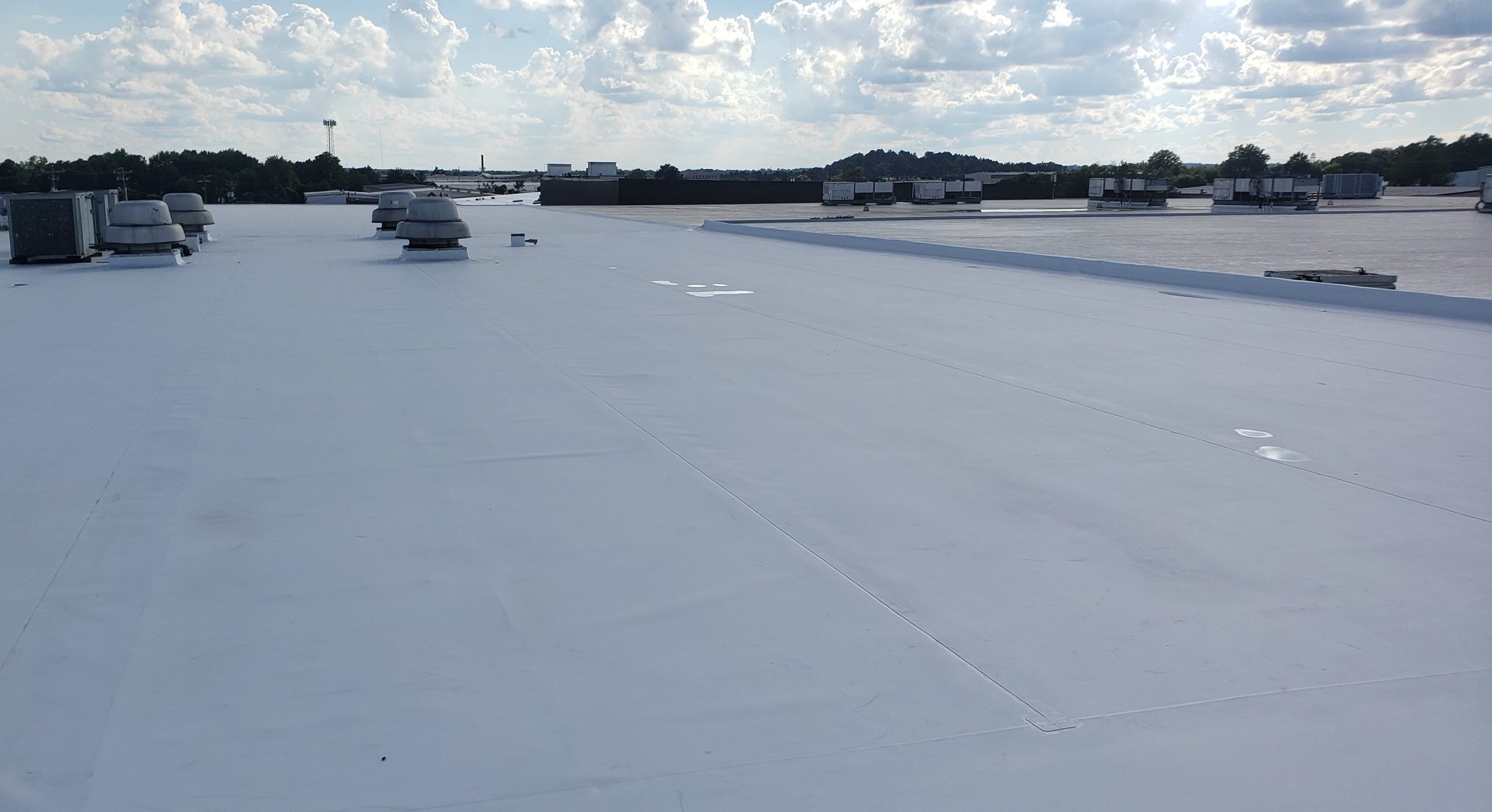
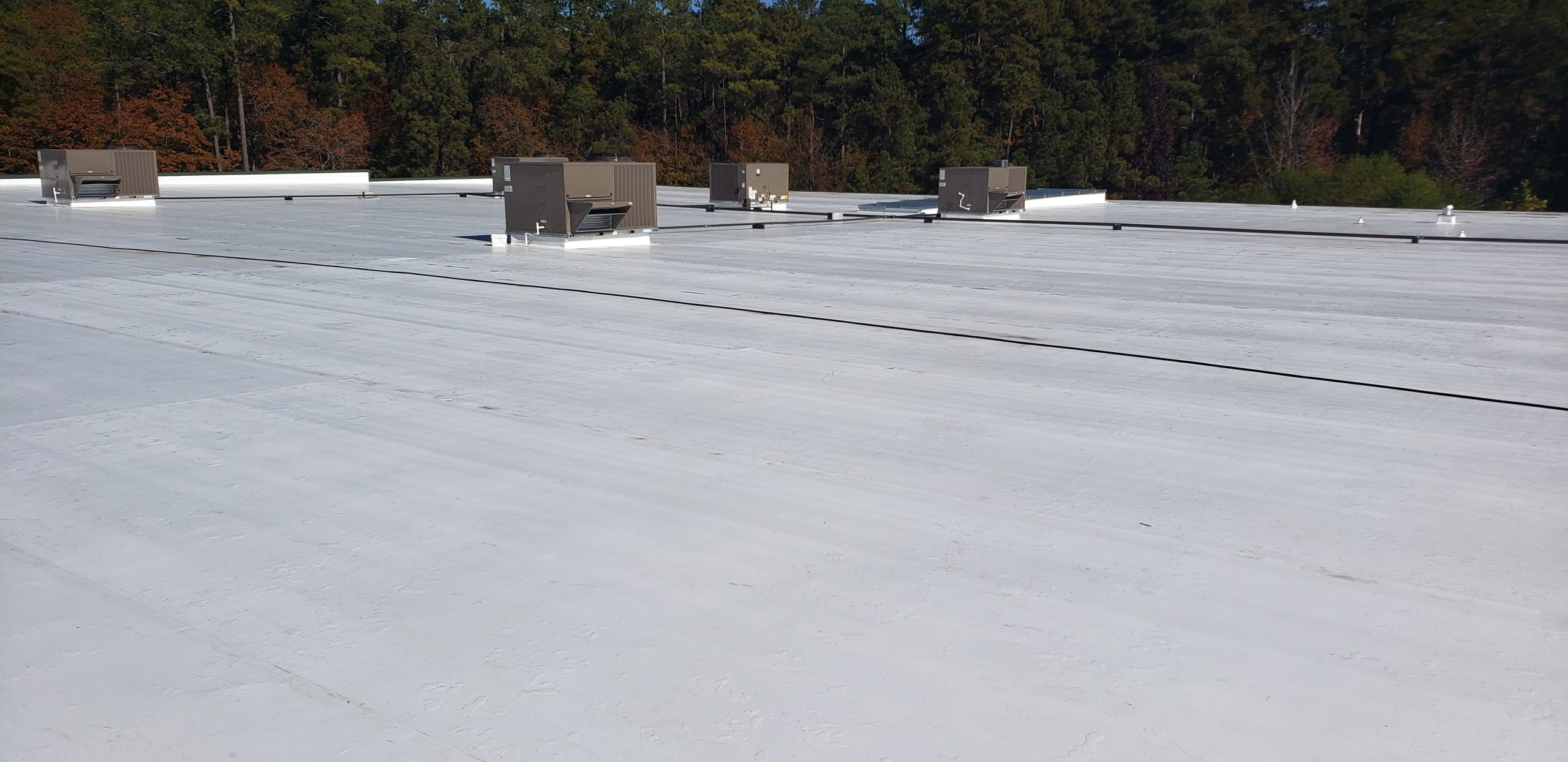
EPDM roofing is predominantly used in flat or low-slope commercial buildings such as warehouses, office complexes, and retail centers. Its resilience and ability to accommodate roof penetrations like skylights and vents without compromising waterproof integrity make it an ideal choice for these applications. Beyond this, EPDM’s adaptability allows it to be custom fitted around rooftop equipment, further enhancing its practicality for commercial use.
Alternatives to EPDM Roofing
While EPDM remains a staple in the industry, it’s essential to briefly explore other viable options to present a comprehensive view:
TPO and PVC Roofing
Both TPO and PVC are popular thermoplastic roofing membranes. They offer strength and resistance to chemical exposure and are excellent for facilities with exposure to oils and acids. Although generally more expensive than EPDM, their reflective properties are highly valued in climates that demand energy efficiency.
Metal Roofing
Metal roofing is another alternative, providing excellent durability and fire resistance. While pricier upfront, metal roofs promise exceptional longevity, often exceeding 50 years, which can justify the initial investment for certain commercial applications.
Key Considerations When Choosing Commercial Roofing
When selecting a roofing system for a commercial property, several critical factors should guide your decision:
- Climate and Weather Patterns: Consider local weather conditions and choose materials that perform well under such stresses. For instance, EPDM excels in regions with fluctuating temperatures and intense UV exposure.
- Building Usage and Operations: The type of operations within the building can influence the roofing choice. Facilities that produce heat or accommodate heavy rooftop equipment need roofs capable of withstanding these conditions without compromising integrity.
- Budget Constraints: It’s important to evaluate both installation costs and long-term maintenance expenses. While cheaper solutions might be attractive initially, they might incur higher maintenance costs over time.
- Regulatory Compliance: Ensure that the selected roofing system adheres to building codes and industry standards prevalent in your area, avoiding any potential legal or safety issues.
Practical Advice for Selecting Commercial Roofing
For property owners or facility managers looking to make an informed decision, partnering with a reputable roofing contractor is invaluable. A professional will provide insights into the most appropriate materials, design considerations, and feasibility of various systems based on specific site conditions.
Furthermore, conducting a cost-benefit analysis tailored to your unique needs ensures that the chosen system aligns with both immediate and long-term goals. Regular inspections and preventative maintenance schedules can prolong roof life and optimize performance.
Conclusion
In summary, while several roofing options are available, EPDM roofing remains the most common choice in the commercial sector, largely due to its durability, ease of installation, and cost-effectiveness. Nonetheless, exploring alternative options like TPO, PVC, or metal can offer valuable benefits depending on specific building needs and environmental conditions.
Choosing the right commercial roofing system is crucial. It not only enhances the building’s functionality but also contributes to energy efficiency and aesthetic appeal. By considering factors like climate, building usage, and budget, and seeking expert advice, commercial property owners can make informed decisions to safeguard their investments for the foreseeable future.